
21 Common Pollutants in Wastewater Treatment
1. Oxygen-Demanding Organic Compounds (Biodegradable)
Sources: Humic acid, proteins, esters, sugars, amino acids, etc., mainly from domestic sewage and industrial wastewater of food, papermaking, petrochemical, pharmaceutical, and dyeing industries.
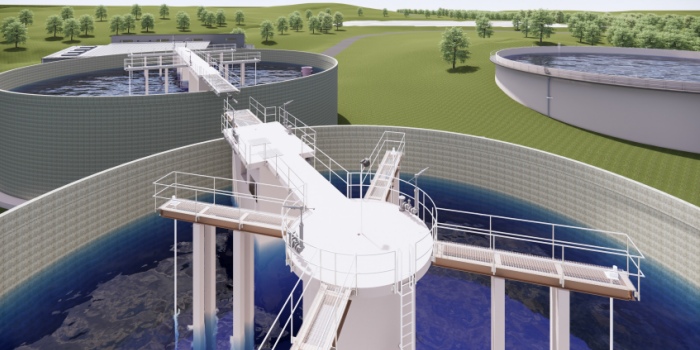
Treatment Methods: Biological processes such as activated sludge (e.g., aeration tanks), SBR/CASS processes, biofilm methods, or MBR.
2. Refractory Biodegradable Organic Compounds
Sources: Toxic macromolecules like organochlorides, organophosphorus pesticides, and polycyclic aromatic hydrocarbons from chemical, pharmaceutical, and pesticide industries.
Treatment Methods: Specialized microbial cultivation, anaerobic processes to improve biodegradability (convert CODcr to BOD5), followed by secondary biological treatment.

3. Organic Nitrogen and Ammonia Nitrogen
Sources: Proteins, urea, and amines from food processing, leather, and feed industries; ammonia nitrogen from steel, fertilizer, and meat processing wastewater.
Treatment Methods:
Organic nitrogen: Biological degradation (simultaneous removal of organic carbon and nitrogen).
Ammonia nitrogen: Air stripping, ion exchange, activated carbon adsorption, biological nitrification-denitrification.
4. Phosphorus and Organic Phosphorus
Sources: Phosphorus-based detergents, human waste, and industrial wastewater (e.g., pharmaceuticals, electronics).
Treatment Methods:
Biological phosphorus removal (AO, A2O, oxidation ditch).
Chemical precipitation (PAC, PFS).
Advanced oxidation for refractory organic phosphorus in industrial wastewater.
5. Acidic and Alkaline Wastewater
Sources: Acidic wastewater from metal pickling, electroplating, and chemical industries; alkaline wastewater from papermaking, 印染 (dyeing), and leather processing.
Treatment Methods:
Recovery for high-concentration waste (e.g., manufacturing fertilizers).
Neutralization for low-concentration waste.
6. Oil Pollutants
Sources: Petroleum, petrochemical, textile, and food processing industries; domestic sewage.
Treatment Methods: Oil-water separation (grease traps, flotation), coagulation, and dissolved air flotation (DAF).
7. Pathogenic Microorganisms
Sources: Domestic sewage, hospital, 屠宰,and leather industry wastewater.
Treatment Methods: Disinfection (chlorine, ozone, UV), combined with secondary biological treatment.
8. Nitrates and Nitrites
Sources: Fertilizer production, meat processing, and wastewater from aerobic biological treatment.
Treatment Methods: Biological denitrification, electrodialysis, and ion exchange.
9. Fluoride
Sources: Glass, steel, and pesticide industries.
Treatment Methods: Precipitation (lime, dolomite), adsorption (activated alumina).
10. Sulfides
Sources: Petroleum refining, textile, and pulp industries.
Treatment Methods: Air stripping, chemical oxidation to convert sulfides to sulfate.
11. Cyanides
Sources: Electroplating, mining, and gas production industries.
Treatment Methods: Chlorination, ozonation, or electrolysis to oxidize cyanides to CO2 and N2.
12. Phenols
Sources: Petrochemical, resin, and coke production industries.
Treatment Methods: Extraction, activated carbon adsorption, or chemical oxidation (for high concentration); biological treatment (for medium/low concentration).
13. Silver
Sources: Electroplating and photography industries.
Treatment Methods: Precipitation, ion exchange, or electrolytic recovery for silver recycling.
14. Nickel
Sources: Electroplating, metallurgy, and battery manufacturing.
Treatment Methods: Precipitation (lime/sulfide), ion exchange, or reverse osmosis.
15. Lead
Sources: Battery production, electroplating, and paint industries.
Treatment Methods: Precipitation, coagulation, or adsorption (activated carbon).
16. Chromium
Sources: Electroplating, tanning, and pigment industries (hexavalent chromium).
Treatment Methods: Reduction to trivalent chromium followed by precipitation, ion exchange, or evaporation for high-concentration waste.
17. Mercury
Sources: Chlor-alkali, electronics, and pesticide industries.
Treatment Methods: Sulfide precipitation, ion exchange, or activated carbon adsorption.
18. Organochlorines
Sources: Pesticides, plastics, and chemical industries.
Treatment Methods: Incineration with HCl recovery (e.g., alkali neutralization).
19. Benzo(a)pyrene (BaP)
Sources: Incomplete combustion (e.g., coking, oil refining).
Treatment Methods: Advanced oxidation (ozone, chlorine dioxide), activated carbon adsorption, or biological degradation.
20. Cadmium
Sources: Electroplating, battery, and pigment industries.
Treatment Methods: Precipitation (hydroxide/sulfide), ion exchange, or membrane separation.
21. Arsenic
- Sources: Metallurgy, glass, and pesticide industries (arsenite/arsenate).
- Treatment Methods: Co-precipitation (iron/aluminum hydroxides), adsorption (activated carbon), or biological processes (activated sludge).
All rights reserved by Shanghai Chuangxin Water Supply Equipment Manufacturing (Group) Co., Ltd.